
Signs Your Furnace or Heat Pump Needs Repair Before It Fails
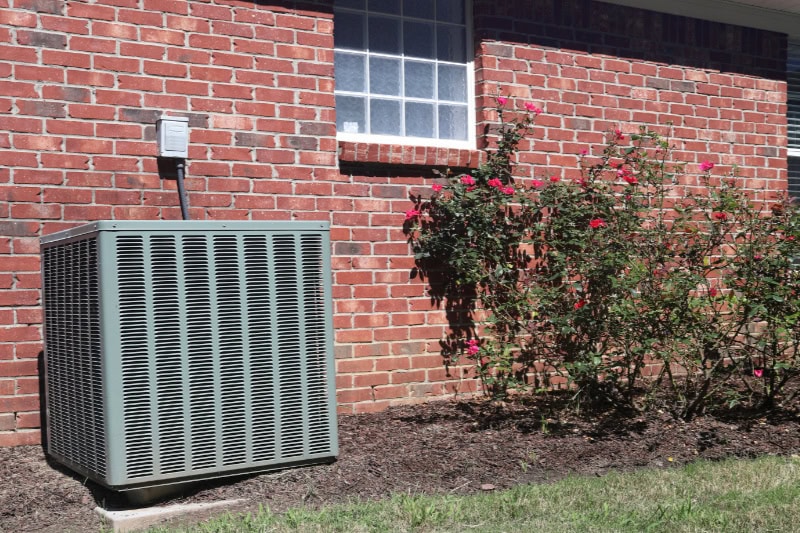
Summary: Most furnaces and heat pumps rarely quit without warning. Common signs your heating system needs repair include unusual noises, weak airflow, rising energy bills, short cycling, inconsistent temperatures, and strange odors. Ignoring these early symptoms can lead to sudden breakdowns, higher repair costs, and uncomfortable indoor conditions.
You know that feeling when your heating system starts making a noise that definitely wasn’t in the owner’s manual? Not a confident hum. Not a reassuring click. But a “should I be worried about that?” kind of clank?
Your heater rarely just quits out of nowhere. It usually gives you a dramatic, slightly passive-aggressive series of warnings first.
Maybe it’s blowing lukewarm air like it’s trying… but not really committing. Maybe your energy bill just arrived, and you briefly considered selling a kidney. And then there’s that smell. You know the one. Not quite burning. Not quite dust. Just… concerning.
The truth is, your heating system is a lot like a toddler—it doesn’t fail silently. It whines. It bangs. It throws tiny mechanical tantrums before it finally decides it’s done for the season.
Before you wake up to a house that feels like a walk-in freezer, A-1 Mechanical covers the not-so-subtle signs your heating system is gearing up for a full-blown breakdown if you don’t schedule a much-needed repair.
Signs Your Heating System Needs a Repair, or It’ll Break Down
Whether you rely on a gas furnace or a heat pump in North Las Vegas, NV, your system almost always gives subtle (and sometimes not-so-subtle) clues that something isn’t right. The key is knowing what to watch for.
Catching heating issues early—and getting them repaired—can help you avoid emergency breakdowns, prevent costly damage, and keep your home comfortable during the coldest months. Below are the most common warning signs that your furnace or heat pump needs repair before it completely fails.
1. Unusual HVAC Noises You’ve Never Heard Before
Heating systems aren’t silent, but they shouldn’t be noisy either.
If you notice:
- Banging or popping
- Grinding or squealing
- Rattling or vibrating
- Loud humming or buzzing
…it’s time to investigate.
A furnace may bang if there’s delayed ignition or expanding ductwork. Squealing often points to a worn blower motor belt. Heat pumps may grind or buzz if a motor is failing, components are loose, or debris is in the outdoor unit.
New or worsening sounds are almost always early indicators that a repair is needed.
2. Weak or Inconsistent Airflow
If some rooms feel warm while others stay chilly, or if airflow from your vents feels weak, your system could be struggling.
Common causes include:
- Clogged air filters
- Blower motor problems
- Leaky ductwork
- Failing capacitors (especially in heat pumps)
In a heat pump system, airflow issues may also signal problems with the reversing valve or compressor. Reduced airflow forces your system to work harder, increasing wear and tear and potentially leading to full failure if ignored.
3. Rising Energy Bills Without Explanation
A sudden spike in your utility bill—without extreme weather or rate increases—can signal declining system efficiency.
When components begin to fail, your heating system must run longer and work harder to maintain the same temperature. That extra strain shows up directly on your energy statement.
For example:
- A dirty flame sensor in a furnace can cause short cycling.
- A refrigerant leak in a heat pump reduces heating capacity.
- A malfunctioning thermostat can cause the system to run unnecessarily.
If your bills keep creeping up month after month, your heating system may be asking for help.
4. Short Cycling (Turning On and Off Frequently)
Short cycling happens when your furnace or heat pump turns on, runs briefly, then shuts off—only to restart again soon after.
This issue can stem from:
- Overheating
- Thermostat problems
- Restricted airflow
- Failing internal components
Short cycling isn’t just annoying; it’s damaging. Frequent starts and stops put stress on motors, compressors, and electrical parts, accelerating wear and increasing the likelihood of premature system failure.
5. Strange Odors From Heater
Some smells are normal, like a slight burning odor when you first turn on your furnace for the season. But persistent or strong odors are not.
Watch for:
- Burning smells that don’t go away
- Musty odors (possible mold in ducts)
- Electrical or “metallic” smells
- Rotten egg odors (potential gas leak—leave immediately and call your gas provider)
Heat pumps can also develop musty smells if the indoor coil or drain line becomes clogged. If an odor lingers for more than a short period, schedule an inspection.
6. Inconsistent Heating or Cold Air Blowing
If your furnace is blowing lukewarm or cool air, or your heat pump can’t maintain temperature, there may be a deeper issue.
For furnaces, possible causes include:
- Ignition system problems
- Flame sensor issues
- Gas supply problems
For heat pumps, common causes include:
- Low refrigerant
- Defrost cycle malfunction
- Compressor issues
While heat pumps naturally produce air that feels cooler than furnace heat, they should still maintain comfortable indoor temperatures. If they can’t keep up, something needs attention.
7. Your HVAC System Is Over 10–15 Years Old
Age alone doesn’t mean failure, but older systems are more prone to breakdowns.
- Most furnaces last 15–20 years.
- Heat pumps typically last 10–15 years.
As systems age, parts wear out, efficiency declines, and repairs become more frequent. If your system is approaching the upper end of its lifespan and showing warning signs, repairs should be addressed quickly to avoid mid-season breakdowns.
8. Excess Moisture or Ice Buildup (Heat Pumps)
If you have a heat pump, visible ice on the outdoor unit outside of normal defrost cycles can signal trouble.
Possible causes include:
- Refrigerant leaks
- Defrost control board failure
- Airflow restrictions
While frost during winter can be normal, heavy ice accumulation that doesn’t clear itself indicates the system isn’t operating properly and may soon fail.
9. Yellow Pilot Light (Gas Furnaces)
If your gas furnace has a pilot light and it’s yellow instead of blue, this may indicate incomplete combustion. This can lead to carbon monoxide risks and reduced heating performance.
Modern systems often use electronic ignition instead of a standing pilot light, but if you have an older furnace, this is an important safety check.
10. The Thermostat Isn’t Responding Properly
Sometimes the issue isn’t the heating system—it’s the thermostat.
Signs include:
- Incorrect temperature readings
- System not turning on
- Delayed responses
- Frequent cycling
Before assuming major system failure, have a technician inspect and calibrate your thermostat. In many cases, this is a simple fix that restores proper performance.
Why Early Heating Repairs Matter
Ignoring early warning signs can lead to:
- Emergency breakdowns
- Higher repair costs
- Shortened system lifespan
- Safety risks (especially with gas furnaces)
- Reduced indoor comfort
A small issue—like a failing capacitor or dirty sensor—can quickly turn into a much larger repair if left unresolved.
Routine heating system maintenance and prompt service calls can often extend the life of your furnace or heat pump by years.
When to Call for Heating Service
You should schedule a professional inspection if:
- You notice any new or worsening symptoms
- Your system is running constantly
- Your energy bills are climbing unexpectedly
- You haven’t had maintenance in the past year
Heating systems are complex and contain electrical, mechanical, and (in some cases) gas components. Professional diagnosis ensures the root cause is identified correctly and repaired safely.
Contact the Heating Pros in Clark County
Your furnace or heat pump rarely fails without warning. Strange noises, weak airflow, rising bills, inconsistent heating, and frequent cycling are all red flags that shouldn’t be ignored.
By addressing small issues early, you can prevent larger problems, protect your investment, and maintain reliable comfort all winter long.
If your heating system is showing any of these signs, scheduling a repair today could mean the difference between a quick fix and a costly emergency tomorrow. For the best in heating repairs and diagnostics in North Las Vegas, NV, call A-1 Mechanical at 702.848.3244 or request service online.